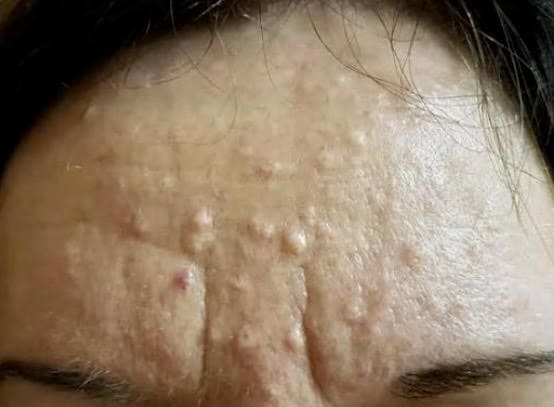
Skin Tag
What is a Skin Tag?
Skin Tags are very common and mostly occur around the face, neck, armpits, groin and abdomen. Skin tags are small, soft, skin-coloured growths that hang off the skin and look a bit like warts. Skin tags are made of loose collagen fibres and blood vessels surrounded by skin. Both men and women can develop skin tags and they tend to occur in older people. Pregnant women may also be more likely to develop skin tags as a result of changes in their hormone levels.
What is the removal procedure?
Skin tag removal is very quick and easy. The treatment is carried out using a very low current, which cauterises the area to be treated. This dries up the lesion. In the case of most skin tags, once the tag is treated it will drop off during the healing process. Any located near the eye or lash line can also be treated with great results.
Aftercare
- Keep your scabs covered with a plaster or dressing for 24-48 hours.
- Do not touch or pick at your scabs – this includes allowing clothes to rub it and protecting it from your pillow at night.
- You can wash area as normal but be gentle over the scabs and avoid soaking them in water for long periods of time.
- Under the scab your skin is healing. The longer it does so, the better your results will be.
- If clothing irritates the site where a skin tag has been removed, cover it with a bandage to prevent rubbing and bleeding.
- After having a skin tag removed, the area should be kept cleaned and sterile.
Milia Removal
Milia are very small, raised, white or yellowish bumps on the skin, most often seen where the skin is very thin, especially around the eyes and eyelids, can also found on the nose, forehead and chest. They are tiny cysts filled with the protein, Keratin. Milia are often found in groups and are harmless It affects both men and women of all races and skin types.
What is the removal procedure?
There are usually two ways for Milia removal, the most common is extraction where the tip of the Milia is lanced and the contents extracted. The second is using advanced electrolysis to effectively burn the Milia off. Both of these treatments are painless and you will be able to return to normal activities immediately. milia, you will notice a change in the blemish, which gradually improves before disappearing.removal of sebaceous hyperplasia
Treatment cost:
15 minutes £69.00
30 minutes £120.00
Removal of sebaceous hyperplasia
Enlarged oil glands on the face commonly known as suspicious hyperplasia, are benign, yellowish, 1-3 mm bumps frequently found on the forehead, nose, or cheeks in adults. They are harmless and caused by trapped oil often linked to aging, sun exposure and oily skin types.
Removal procedure would be:
Sebaceous hyperplasia removal is performed using a precise, controlled method such as advanced electrolysis (cautery), which targets the enlarged oil gland without damaging surrounding tissue. Following thorough cleansing, a fine probe is applied to the lesion to deliver a small amount of heat, effectively shrinking and flattening the gland. The procedure is quick, with minimal discomfort, and lesions typically crust lightly and heal within 5–10 days. Mild redness may occur post-treatment, and strict aftercare—including avoiding picking, heat, and sun exposure—is essential to reduce the risk of pigmentation. While results are usually immediate, maintenance treatments may be required over time as new lesions can develop.
Treatment cost:
15 minutes £ 69.00
30 minutes £ 120.00